Winterizing Your System: Essential Sprinkler Maintenance Tips
A yard can look best on a trendy October afternoon and afterwards cost you thousands by March if the watering lines ice up. I have actually opened up shutoff boxes in April and located broken manifolds that resembled they were split with a wedge. The owner thought the system was off, so it has to have been secure. Water trapped in low areas differed. A little planning and a careful winterization regular save pipes, secure the heartburn preventer, and make spring start-up smooth. It is not busywork, it is insurance.
What cold does to a watering system
Water expands approximately 9 percent when it ices up. Inside an inflexible PVC line that development has no location to go, so it ruptures fittings and produces hairline cracks that only introduce themselves when you re-pressurize in spring. Polyethylene tubing is much more forgiving, but it can still kink or split when ice plugs type. The first casualties are usually the weakest components of the system, not the straight pipe run. Tees, joints, threaded risers, and the bodies of older spray heads generally fall short initially. In zones with above-grade heartburn preventers, a single tough freeze can wreck a pressure vacuum cleaner breaker or a minimized pressure zone assembly.
Two attributes boost threat and be entitled to focus. Nadirs that do not have a drain trap water all winter season, and long runs that incline carefully toward the backyard yet not the valve box hold a surprising quantity of recurring water. If your system consists of drip watering, small emitters trap water in their bodies and can pop off caps or divide the tubes otherwise drained pipes. Comprehending where water hides guides a much better winterization plan.
Timing the shutdown
The right time to winterize depends upon climate and the system's direct exposure. Along the Front Range or in the Upper Midwest, I prepare for winterization well prior to consistent over night lows go down right into the mid 20s Fahrenheit. 1 or 2 light frosts hardly ever harm buried mains, however they can destroy a revealed backflow preventer more or less over night. In the mid-Atlantic and Pacific Northwest, timing is trickier because freeze events are intermittent and often brief. There I focus on the heartburn preventer and subjected components early, and timetable a complete blowout prior to the initial sustained cold wave. In milder seaside areas where ground freezes are uncommon, you can concentrate on draining and protecting above-grade components and shutting down the controller, but it is still wise to leave most water from revealed PVC.
If your irrigation water comes from a superficial well or a lake pump, winterization consists of the pump body and suction line. Pumps have drainpipe plugs, and some have priming ports. Draw power, soothe pressure, and drain the housing so that the volute does not split. A fractured cast-iron pump real estate is a painful find in April.
Three methods to get the water out
There are 3 typical methods to shield lines and heads. The right one relies on how the system was mounted and the neighborhood frost depth.
Manual drain shutoffs show up on older systems and in areas where installers anticipate property owners to winterize. Each zone has a hands-on low-point drain, commonly a tiny sphere valve in a shutoff box or a petcock threaded into the manifold. You switch off the water system, open the zone shutoffs or the flow tubes manually, after that open each drain and allow gravity do its work. You still need to crack open the heads or run a short air purge if you desire a belt-and-suspenders method, yet the drains deal with a lot of the volume.
Automatic drainpipe shutoffs are spring crammed and typically open when system pressure falls below a set limit, often around 10 psi. They rest at the nadir of a zone. When you shut off the main supply and run the zones to depressurize, the valves open and water drains out. These are delicate to particles and can fall short open or closed. If your grass reveals soft wet circles near shutoff boxes after shutdown, a person made use of auto-drains and one is stuck open. They are hassle-free when working, but I still such as to evacuate the rest of water with air in colder climates.
Air blowout is one of the most common approach in regions with deep frost. You use pressed air to push water out of each zone, beginning with the highest possible elevation and relocating down. You never ever need to run air long enough to "completely dry" the lines. The goal is to eliminate most water and leave only a film. That slim film can broaden into deep spaces you have actually developed without breaking installations. A proper blowout does not surpass safe pressure limitations and does not rotate rotors at risky speeds.
Tools and safe setups for air blowouts
A portable compressor with a regulator and a ball valve for throttle control is typically sufficient for a residential property. What matters greater than peak stress is air volume, measured in cubic feet per min. A small pancake compressor in the 2 to 4 CFM array can deal with tiny homes, however it will cycle typically and prolong the task. An unit efficient in 10 to 20 CFM at 50 to 60 psi makes quicker job and keeps circulation smooth. Tow-behind professionals' compressors have sufficient volume, but they can be harmful if unregulated.
Pressure restrictions are closed to dispute if you want to avoid sprinkler repair in springtime. I maintain the regulatory authority collection in between 45 and 55 psi for residential PVC and poly areas. For drip zones I lower that to 25 to 30 psi. Some business systems tolerate 80 psi, however the majority of home fittings and heads do not need or appreciate that level. If you can not locate the system's rated operating pressure, err on the reduced side.
You need a method to connect to the system. Many lawn sprinkler installment work include a blowout port on the downstream side of the heartburn preventer. It could be a female pipe bib or a capped quick-connect coupler. If your system lacks a committed port, you can briefly eliminate a plug on the manifold or a test penis on the heartburn preventer, with the caveat that you should never press pressed air backwards via a minimized stress zone assembly. Air reverse-flowing with an RPZ can harm check seats. Constantly attach downstream of the device.
Expect different actions from various heads. Spray heads remove promptly, occasionally in under a min. Blades require even more time since they hold much more water in the body and lines. Leave each blades zone airing vent mist up until you see only air puffs at each head. Do not let heads howl. A high-pitched whine or spin-crazy blades mean pressure is too high.
Step-by-step blowout sequence
- Shut off the irrigation supply of water at the isolation shutoff, then open up a test dick or a drain on the downstream side of the heartburn preventer to alleviate pressure.
- Connect the compressor to the blowout port downstream of the heartburn, set the regulator to 45 to 55 psi for sprays and blades, and 25 to 30 psi for drip.
- From the controller, run the very first area by hand, beginning with the greatest altitude; slowly open the compressor shutoff to feed air till heads pop and water turns to a light haze, then to periodic puffs.
- Cycle with each area two or 3 times in brief runs, 30 to 90 seconds per spray area and 1 to 2 minutes per blades zone, permitting a short rest in between passes so the compressor does not overheat.
- Finish by purging the backflow preventer body and the manifold if they rest above grade, opening up examination cocks, tilting takes care of to 45 levels, and leaving drains pipes open for the winter.
That 5th step deserves additional focus. Leaving round valves partly open relieves any trapped water in between seats and reduces the chance of a split body. If your backflow preventer is a stress vacuum breaker installed outdoors, eliminate the hood cap if the supplier suggests it, or at minimum drainpipe it completely through the test cocks and protect it with a breathable cover. For an RPZ, drain the relief valve body completely and leave the examination cocks open. In extreme environments, lots of pros remove and store the PVB or RPZ inside after tagging the unions so reassembly is pain-free in spring.
Backflow preventers, the fragile heart over ground
I have seen more broken PVBs than any other single component after an early freeze. The brass looks challenging, but the inner plastic poppet and spring assembly will not make it through ice. If you not do anything else prior to the initial cold wave, shield the heartburn. Shut off the supply, open both test cocks, pop open a downstream hose bib if one is present, and turn the two round valves to a 45 degree setting. That alone can conserve you from an emergency require sprinkler repair work in January.
Insulation helps but has limits. A foam cover reduces heat loss over night however can not quit a 2 days cold snap from freezing a complete body of water. Consider insulation as a buffer, not an alternative to draining. If the backflow is strapped to exterior siding, check the standoffs and make sure the gadget is flawlessly upright. A PVB needs upright alignment to secure properly in spring, and a misaligned installment tends to gather water on one side when you drain it.
What to do with drip zones
Drip tubes acts in different ways due to the fact that it holds little pockets of water at each emitter and in the lateral runs. Blowouts at 25 to 30 psi work, but you have to run the zone longer than sprays. The noise at the end is a soft hiss rather than bursts of air. If the system includes a filter container and stress regulator at the area shutoff, open up the filter real estate and drainpipe it. Unscrew end caps at the end of drip lines if obtainable and let gravity finish the job. Some installers add auto-drains to drip manifolds to streamline this. If you acquire a system without easy drains, include a tee with a threaded cap during the following round of sprinkler upkeep. It is a tiny upgrade that conserves time every winter.
Fall maintenance that pays dividends in spring
Winterization is the perfect minute to capture problems while they are simple to repair. With areas running throughout the blowout, enjoy each head as it removes. Late in the period I usually discover heads sitting also reduced after a year of thatch growth. A head that sinks even half an inch scalps lawn when the lawn mower passes and wastes water in springtime by patterning versus the dirt. Lift it with a short swing joint or a threaded riser extension and reset the grade flush with the lawn.
Nozzles and screens tend to block when debris from a cut line or an unclean water source travels via the system. During the air purge, get rid of a couple of nozzles and check the screen mugs for sand or flakes. Tidy or change as needed. If you identify a rotor that rejects to transform even after the haze gets rid of, plan to rebuild or change it. Bearings dry and gears strip. Neither improves resting all winter.
Valve boxes tell stories. A box that remains sloppy long after irrigation quits commonly conceals a leaking shutoff diaphragm or a fractured manifold fitting. Mark it and schedule sprinkler fixing before the ground freezes hard. Tightening a union currently is simpler than sculpting frost in December.
Controllers and sensors deserve a fast pass. Keep in mind the current program, after that set the controller to off or rain setting so it does not try to run a dry system. Replace the coin cell or 9 volt battery in the controller if it has one, and see to it the date and time are proper. If a rain sensing unit exists, examination it with a dash from a water bottle so you know it responds. Flow sensing units on bigger systems maintain logs that assist diagnose leakages in springtime. Make sure they are mapped to zones correctly prior to you closed down.
A fast pre-winter checklist
- Verify the shutoff valve runs efficiently and shuts fully, then identify it so no one resumes it mid-winter.
- Locate and examination the blowout port downstream of the backflow, and verify your fittings match.
- Gather air devices, a regulatory authority, and a hose pipe ranked for the established pressure, plus eye protection and handwear covers.
- Walk the backyard for visible nadirs, shallow lines, or subjected risers that might require additional insulation or focus.
- Check for current sprinkler installment modifications, such as a new drip zone or a relocated head, and update your map so no area is missed.
Five mins with that list saves an hour of backtracking later.
When a specialist deserves the call
Many homeowners take care of winterization confidently after a period or more, but there are times when working with a pro makes sense. Equipments with complicated hydraulics, multi-branch manifolds, or common water supplies in HOA settings can be ruthless. Commercial-grade compressors relocate high volumes, and a professional who spends all fall on blowouts has a feeling for when a rotor is clear and when a line is still sludging with water. If you lack a convenient blowout port or your heartburn preventer sits in a confined spot, a qualified tech can adjust fittings without risking cross-connection issues.
The exact same crew can flag concerns that belong on a sprinkler repair service list for wintertime or early springtime. A broken union on a manifold, a leaking solenoid that rejects to close, or a shutoff box squashed by a lorry will not repair itself. Many companies offer packed solutions, coupling winterization with a springtime start-up that consists of pressure testing and head adjustment. If you prepare a change in insurance coverage next year, such as adding a zone for a brand-new garden bed, request for a quick estimate while the tech is on site. Smart sequencing stays clear of digging two times and may conserve you style costs when you set up the lawn sprinkler installation as an off-season project.
Good installment makes winter easy
The individuals who consider winter throughout installment are the reason some systems nearly winterize themselves. A few layout habits make life much easier every year.
Install isolation valves where they assist. A round shutoff upstream of the backflow is basic, but adding a 2nd on the downstream side, with a tee and a capped blowout fitting, develops a secure, direct port for pressed air and an easy way to remove the heartburn. Use unions on each side of the heartburn so you can https://hectorlasc493.raidersfanteamshop.com/soil-slopes-and-sunlight-website-factors-that-shape-sprinkler-installment eliminate and save it inside your home if you live where deep ices up are routine.
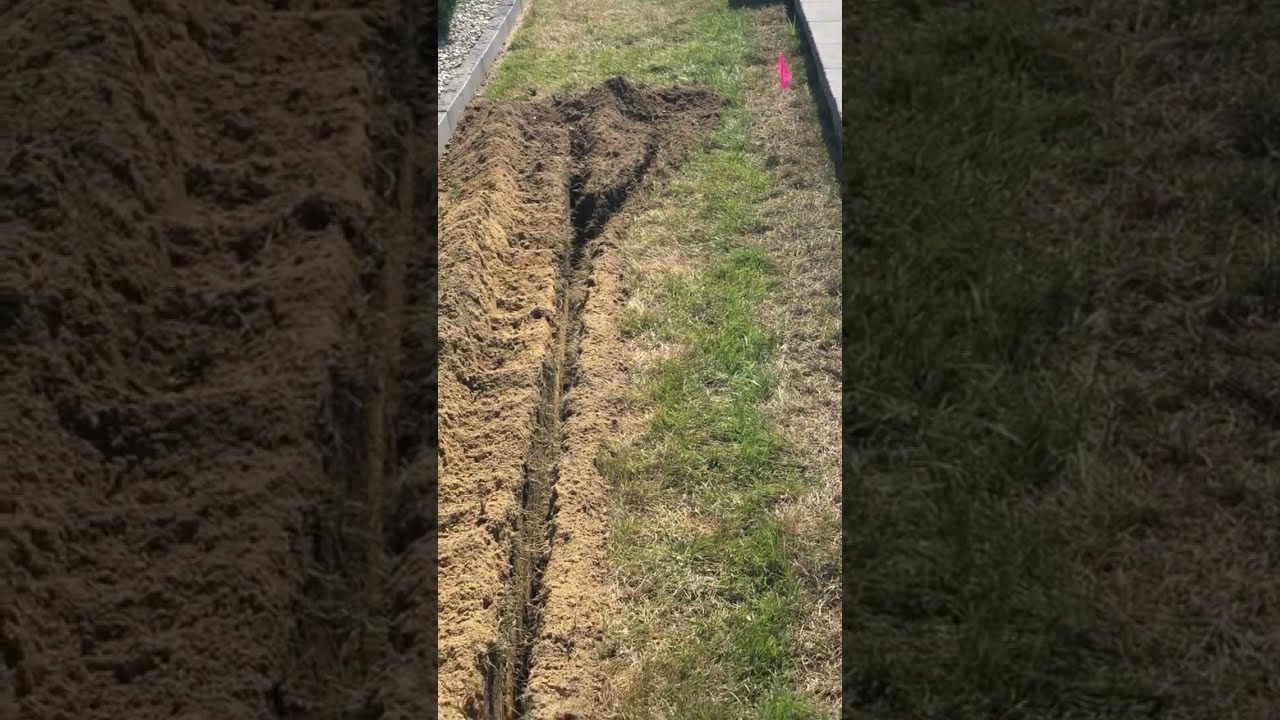
Slope lines delicately towards known drains when terrain enables. Perfect quality is not always possible, however avoiding level dead legs and situating manifolds at the reduced end of a run minimizes trapped water. On drip manifolds, include a cleanup cap at the far end. It is a 10 buck component that solves a twenty minute chore every fall.

Use durable materials where freezes hit initially. Threaded nipple areas on exposed risers crack quickly when water catches under a cap. Updating to set up 80 nipples or utilizing swing joints offers you a little margin. For shutoff manifolds, thick-wall PVC with real union sphere shutoffs stands up to the occasional mistake, like a hurried blowout at expensive a pressure.
Provide maps and labels. The best installers identify zones by place and type, and leave a laminated map in the controller box. That saves presuming when you winterize. If you did not get a map at set up, sketch your very own during the following watering cycle, and mark blowout ports, hand-operated drains pipes, and any type of strangeness. Your future self will certainly be grateful.
Special instances and side conditions
Not every building adheres to the very same regulations. Shallow-buried systems in older areas, usually installed just a few inches under sod, freeze earlier and thaw quicker. They require careful blowouts at reduced stress to avoid popping go out of their couplers. In mountain communities where the very first hard freeze can come prior to the leaves decrease, I schedule 2 sees, an early backflow drainpipe and seclusion, then a complete blowout after the late-season mow.
If your water is from a municipal recovered source, regard regional regulations when draining pipes. Do not open drains pipes that dump onto walkways where water will certainly refreeze and create a danger. Many cities call for purple-coded elements and have certain regulations around backflow settings up on recovered lines. A certified irrigator will know the regional code. Closing down shared systems, such as on a small multifamily or retail pad, likewise demands communication. Tag valves clearly and notify lessees so no person attempts to hand-water via a fast coupler on a depressurized main.
Systems with check shutoffs in heads maintain water by design so low heads do not drain and leave mud around the lawn sprinkler. During blowout, that trapped water will certainly leave with a quick hold-up. Provide those zones an extra pass and touch a number of heads with your boot to damage surface stress so the flapper opens.
How long it takes and what it costs to get it wrong
A typical residential blowout with 6 to 8 areas takes me 45 to 90 mins, including the fast upkeep checks that must go with it. Include time for drip, for a persistent PVB that needs skill to drain pipes, or for locating that last area in an unmarked controller. Hiring a professional frequently runs in the low hundreds, varying by region and zone matter. That may seem steep next to a diy mid-day with a tiny compressor, but contrast it with changing a split backflow assembly, which can exceed $400 in parts for a PVB and more for an RPZ, plus labor. A cracked manifold under pavers can develop into a thousand dollar repair service as soon as you consider demolition and restoration.
Spring begins easier when loss was done right
A tidy winterization sets up a tranquil spring. When the time comes, open up the seclusion valve slowly while someone views the backflow preventer. Shut the examination dicks, established the round shutoffs vertical, and listen for the relief valve to stay peaceful. Pressurize each zone at the controller. If you remembered in loss, you currently understand which heads required lift or which valve box deserved a closer look. Run each area long enough to purge any kind of tiny silt pockets that settled over the winter season, and straighten nozzles that roamed. If circulation sensors are present, contrast rates to in 2015's numbers. A jump indicate a break or a missing out on nozzle. You are back to watering as opposed to excavation.
The concealed benefit of winterizing well
Winterization has to do with greater than keeping ice out. It develops a reputable rhythm of examination and treatment. You see the whole system annually, under different stresses, which shows you where it is strong and where it is breakable. You catch layout imperfections that can be corrected with moderate tweaks, you intend repair work when they are least expensive, and you build an accurate picture of your landscape's plumbing. Whether you take care of a couple of areas in a little yard or a dozen across a large building, that understanding turns lawn sprinkler upkeep from a reactive job right into a straightforward seasonal ritual.
If this year's walkthrough revealed much more systemic issues, like persistantly underperforming areas or insurance coverage gaps that brought about scorched patches in July, begin a discussion now concerning redesign or targeted sprinkler setup upgrades. Winter months is when irrigation companies plan teams and order components. You will certainly get a far better rate and a better schedule port if you are ahead of the initial warm weekend break rush. On the other hand, your system sleeps, tidy and dry, untroubled by frost.