Watering Zone Preparation: Wiser Sprinkler Installation Methods
Every well-watered landscape you admire has something in common: a zoning plan that matches plants, dirt, and water to the real problems on the ground. When areas are presumed rather than developed, you see the after effects fast. One location drowns, the various other scorches, the water bill spikes, and all the effort that went into the yard loses its side by midsummer. Great zoning avoids those headaches. It offers you foreseeable protection, much healthier plants, reduced costs, and fewer require sprinkler repair service when the season heats up.
I have strolled countless feet of trench and explored a lot more valve boxes. The installs that stand up over time always start with cautious zoning. That indicates determining stress and circulation, choosing go to matched precipitation, organizing plants by water demand, and transmitting pipe with an eye for rubbing loss, service, and future changes. It is functional work, yet the decisions are where craft satisfies judgment.
What a zone really is, and why it matters
An area is a controlled circuit of watering heads or emitters that perform at the very same time from a solitary shutoff. You build zones so each circuit can use about the same amount of water across similar plants, dirt, and sun exposure. That sameness is not just a comfort. It permits a controller to water various components of the building at different frequencies and periods, based upon what the plants and microclimates require.
If you put a shady fescue yard and a warm, south-facing rosemary bush on the exact same area, you will waste water and punish at least one of the growings. Different them, and you can run the yard three early mornings a week at short intervals to prevent runoff, while the rosemary gets a deep session every 7 to 10 days.
Zones also maintain you inside the hydraulic limits of the system. A residential water meter on a half-inch or three-quarter line with 50 to 70 psi fixed stress can generally support just a handful of spray or rotor heads at once. Area intending aspects those restrictions so heads appear easily, spray patterns stay constant, and the pump or municipal main does not struggle.
Walk the website like a detective
On paper, most great deals look simple. Personally, they contain quirks. Beginning with a sluggish stroll around, notepad and pressure scale in hand. Note the quality modifications, the wind patterns in late mid-day, the locations by the driveway, the shade under mature trees. Take pictures and mark the sun path across the day if you can. Dirt appearance will certainly tell you regarding seepage and percolation, so dig a couple of tiny holes. Sandy loam ingests water quickly and dries out quickly, clay takes it slowly and holds it longer. Origins near the surface area or a thatch-heavy grass change just how water moves too.
Do not avoid the water source. At an exterior pipe bib or examination port, record static pressure. Then procedure circulation. The easiest technique is timing how long it takes to load a calibrated container wide open, though a circulation gauge is cleaner. If a three-quarter line fills a 5 gallon bucket in 20 secs, you have around 15 gpm offered then. It is a rough figure, but adequate to dimension areas cautiously. Inspect pressure once again when your home is hectic at night. If it drops by greater than 10 to 15 psi, plan for that reduced figure.
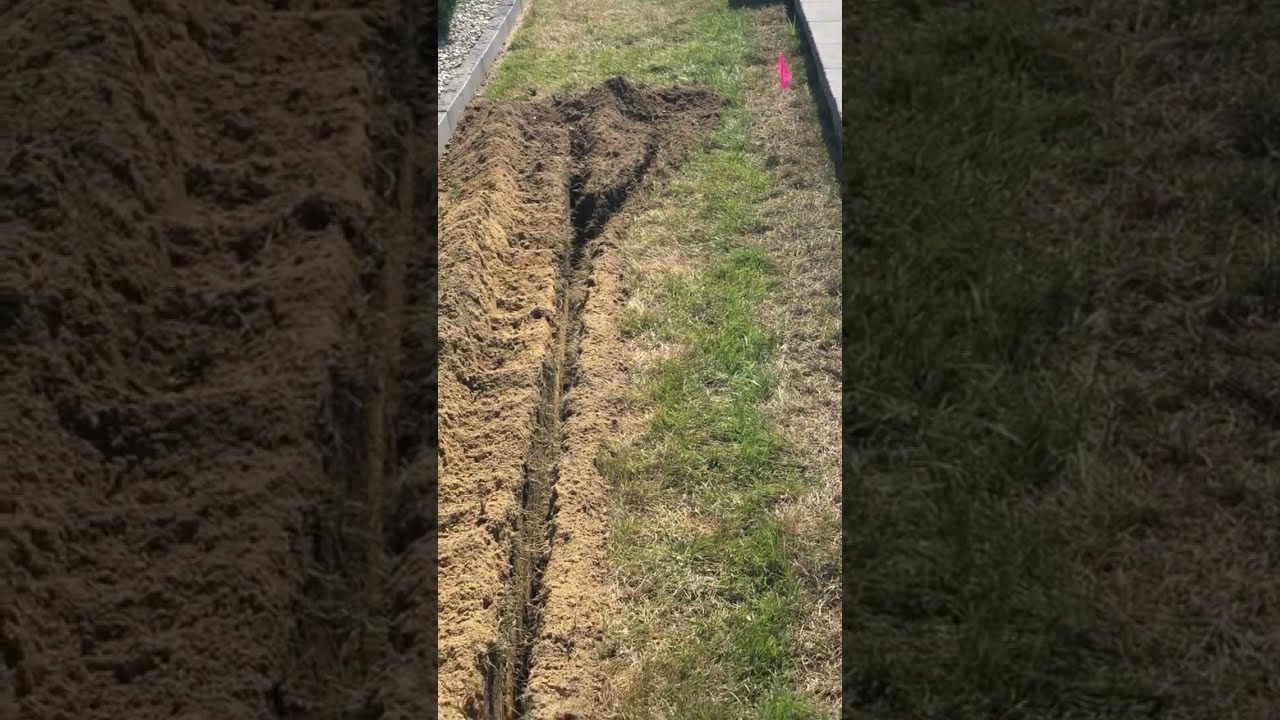
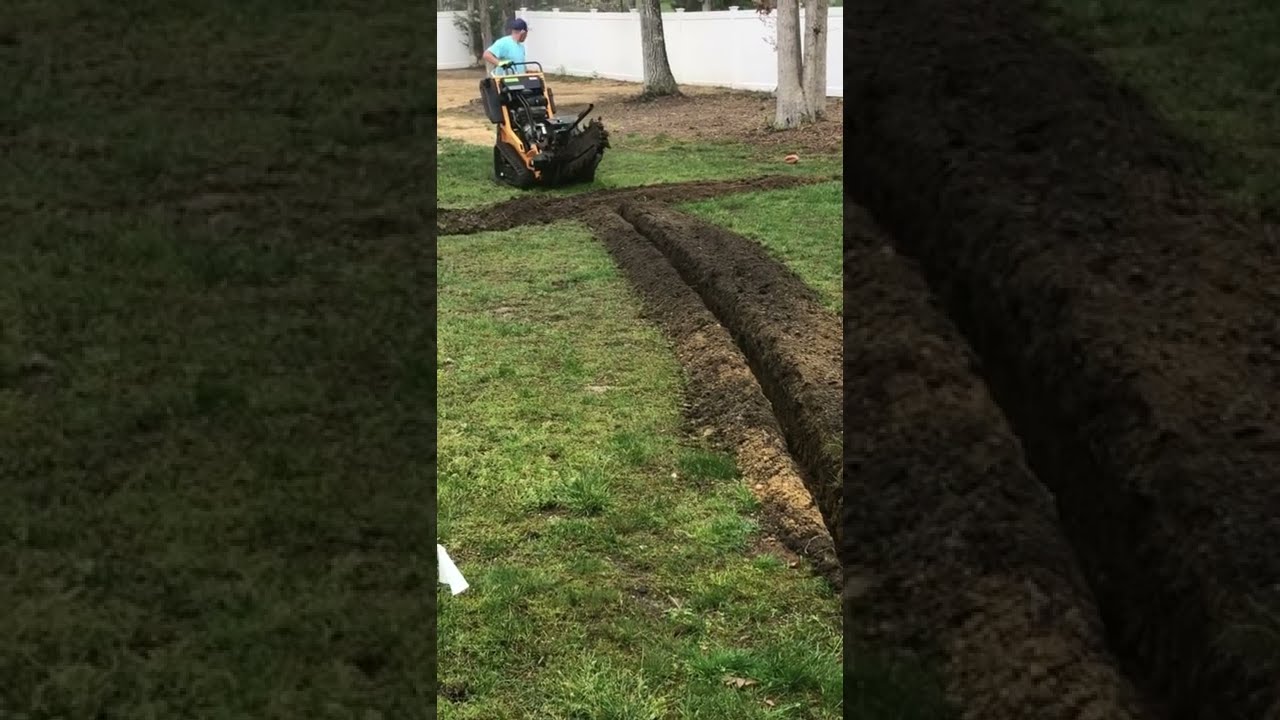
Look for existing restrictions. Tight side backyards restrict trenching and head spacing. Driveway crossings add expense. If there is an older system on website, record where the primary and side lines run, and which heads have a tendency to obstruct or sputter. That background guides both brand-new sprinkler setup and long-lasting sprinkler maintenance.
Pressure, flow, and friction: the foundation math
You can design by guideline and it could work for a flat, open lawn with ample water. Anywhere else, do the mathematics. 2 numbers matter on every zone: readily available vibrant pressure at the heads, and the gallons per minute the zone will certainly carry.
Start from measured static stress. Deduct losses that are constantly existing: the pressure decline throughout your master valve or backflow preventer, the shutoff itself, and rubbing along the lengthiest run of pipeline to one of the most far-off head. Then subtract the minimal stress each head requires to perform as defined. For usual sprays, that is commonly 30 psi. For rotors, 40 to 60 psi depending on model and radius.
Here is a fast illustration for a solitary area of 4 rotors. Static stress at the resource is 65 psi. The heartburn prices around 12 psi, the control shutoff 3 to 5 psi. Call it 16 psi combined. The lengthiest side run is 120 feet of one-inch poly or PVC. At 8 gpm overall circulation, rubbing loss may be in the range of 3 to 5 psi, depending on pipeline type and installations. That leaves regarding 65 minus 16 minus 5, so 44 psi at the heads. If your blades need 45 to throw a full 35-foot radius, you are on the side. Bump the pipe size, minimize the number of heads per area, utilize pressure-regulated heads, or reduce the toss with different nozzles. Do not press resistance even if it virtually pencils. Margins save you when a filter gets dirty or the city does a primary repair.
Sizing areas by gpm is simple, however bear in mind variety. If 4 adjustable blades with mid-size nozzles draw 2 gpm each, running all four draws 8 gpm. Include a fifth and you press to 10 gpm. If your meter and service can sustain 12 gpm without a huge pressure decline, that could still work, yet shutoff loss and friction expand. It is generally better to divide right into two cleaner, well balanced circuits than to require one fat area that falls off as quickly as conditions change.
Matching heads to rainfall, not simply to radius
Head choice is not totally regarding exactly how much the water requires to get to. It is about exactly how rapid it lands. Mixing sprays with rotors in one area is a common mistake. A quarter-turn spray nozzle could apply 1.5 to 2 inches per hour. A gear blades with a mid-size nozzle might put down 0.4 to 0.6 inches per hour. If you run them together, either the rotor area remains dry or the spray area gets swampy.
Use heads with matched rainfall rates throughout an area. That can imply all sprays with matched nozzles on a tiny, irregular grass, or all blades on a larger, open lawn location. Drip belongs with drip, and micro sprays with micro sprays. Maintain arc modifications in mind. A half-circle nozzle must use the same depth to its half-moon as a full-circle does to its entire, which implies the half attracts regarding half the circulation. Credible nozzle sets are engineered for that. Cheap inequalities cost water and consistency for years.
Head-to-head insurance coverage still matters. Patterns should overlap to ensure that each factor on the grass receives water from at least two heads, ideally 3. Wind, stress variations, and little clogs will certainly not crater your harmony if those overlaps exist. If dominating wind pushes regularly from one direction in the afternoon, tighten up spacing a little upwind or shift run times to earlier early morning when wind is calmer.
Hydrozoning: grouping plants by exactly how they drink
Hydrozoning is simply a technological means to say watering like with like. Lawn requires frequent, modest doses as a result of superficial roots and evapotranspiration. Shrubs and perennials prefer much deeper, much less constant soaks that motivate strong roots. Indigenous or xeric growings may not want supplementary water past establishment except throughout lengthy droughts.
On a 7,000 square foot whole lot with a front grass, blended hedge boundaries, and a side veggie yard, I commonly end up with at the very least 5 to seven areas. The front lawn could be 2 spray areas to keep gpm modest and stress healthy and balanced. The shrub boundaries become one or two drip areas with stress policy and purification. The veggie beds obtain their own drip manifold with shutoffs for seasonal control. A slim strip along the driveway with reflected warmth obtains a little separate spray zone. That last one matters. It is the kind of microclimate that sheds while close-by areas prosper, and splitting it out saves callbacks for sprinkler fixing later.
Pipe format that offers hydraulics and service
The routing that looks quickest on an illustration is not constantly the best in the trench. Tee right into the main in a manner that shares tons in between side branches, not in a long sissy chain that deprives the last heads. When an area has heads at various altitudes, put the shutoff so that fixed pressure does not remain on the downstream reduced heads all day. Inspect valves in the bodies can stop low head water drainage, however layout helps too.
I like to build valve manifolds where they can be located and serviced without a shovel battle later. Give the box breathing space above hardscape and out of aggressive origins. Label valves with printed tags or a durable map inside the lid. It seems picky on mount day, however 5 years later on when a solenoid fails or a cord gets nicked, the person doing the lawn sprinkler repair service will certainly thank you.
Pipe sizing deserves a min. On small projects, numerous installers run one-inch primary laterals, three-quarter laterals to heads, and half-inch swing joints. That pattern works if circulations are low and runs are short. If a lengthy rotor area pushes above 8 to 10 gpm, step the main go to inch and a quarter or reduce headcount per zone. Fittings add rubbing, so move where you can and keep ninety-degree turns to what the layout absolutely needs.
Pressure regulation ahead and valve
Pressure-regulated sprays and rotors have grown. Utilize them, specifically on community materials where pressure can surge over 70 psi overnight. A controlled spray set to 30 psi protects the nozzle pattern and reduces misting that drainages and invites drift. Regulatory authorities at the valve can aid, however they stable stress for the entire zone, not head by head. On sloped ground where heads near the bottom see more stress than heads on top, body-level guideline evens delivery.
This is not indulgent equipment. When misting drops application harmony, homeowners chase after dry spots with longer run times. That burns water and usually does not deal with the pattern. Thoughtful policy repays in the very first season for numerous systems.
Slopes, soil, and cycle soak
Water runs downhill faster than roots can absorb it on clay dirts and any type of slope above a couple of degrees. Cycle saturate shows is the fix. Rather than one 12 minute run, break it into three 4 min cycles with 30 to 60 mins in between. The initial pass moistens the surface and starts seepage. The second permeates. The 3rd fills up the profile without overflow. On sandy dirts, you might not need it. On blended dirt, attempt it on the sunniest inclines initially and observe.
Head positioning on slopes need to decrease overspray onto hardscape. Use check valves to prevent low points from crying after each cycle. In high-erosion areas, switch over lawn to a groundcover or redesign that zone with low-precipitation blades to slow the application rate.
Drip where it fits, and how to keep it clean
Shrub boundaries and vegetable beds do their ideal work on drip. The uniform delivery to the root area, the lack of dissipation from spray, and the simple tailoring to plant spacing make it a solid selection. A drip area needs a filter and a stress reducer upstream https://privatebin.net/?a136df6673446229#ESBtFbtZGf78VxUmTrjPBic3rjvRZGuuud3WbJSDDS5k of the shutoff or instantly after it. Most emitters are rated for 20 to 30 psi, and performance crumbles above that variety. Clean the filter at least twice a season. If you see emitters reducing, the filter is your first check before organizing lawn sprinkler repair.
Layout matters here also. In woody beds, run dripline 2 to 3 inches below mulch, not bare ahead. In vegetables, surface area lines under compost are great because you will reconfigure each period. Stay clear of long solitary runs that deprive the last emitters. Looping a bed circuit back to itself assists equilibrium stress and flow so far-off plants consume as well as those near the valve.
Controller technique that respects areas and seasons
Once areas are mapped to plant need and hydraulics, the controller comes to be straightforward. The routine ought to show rainfall prices, soil, and weather condition. For spray lawn zones in a pleasant summertime, I typically begin with 3 mornings weekly and insert cycle saturate sectors to prevent runoff. For rotors on larger turf, a couple of days often are enough if the runtime gets to the profile. For hedge drip, deep watering once a week to every 10 days is common, regularly while plants establish.
Smart controllers with weather inputs conserve time, but they do not change good zoning. If the underlying zones mix plants with really different demands, no formula can make both happy. If you embrace a weather-based controller, inspect the sent out runtimes versus your very own precipitation price estimations. Many default setups are positive for real soil and wind.
Commissioning a new system the ideal way
I like to budget plan a devoted half day to compensation. Flush keys and laterals before mounting nozzles. Run each area on guidebook and observe. Are heads vertical and at quality? Do they pull back easily without sticking? Is insurance coverage head to head, without shadows along edges? Usage flags or paint to mark weak spots and change while the trenches are still soft. Establish the controller with conventional runtimes and calendar suggestions for seasonal checks. Picture valve boxes, controller electrical wiring, and any strange routing before backfilling every little thing that is still open. Those photos are gold for later lawn sprinkler maintenance.
I stay clear of fertilizing or seeding on the exact same day as initial watering. Let the ground work out a week, take another look at changes, and verify that dirt wetness matches the organized runtime. Superficial moistening is an indicator to extend cycles or change to cycle soak.
A preparation process you can count on
- Measure static pressure and circulation at the resource, then keep in mind evening stress and any kind of big decreases under home load.
- Map sun, wind, slope, dirt appearance, and plant groups, then illustration hydrozones based upon comparable needs.
- Select head types and nozzles for matched rainfall, established preliminary spacing for head-to-head insurance coverage, and size zones by gpm and needed pressure.
- Lay out keys, laterals, and shutoff areas to stabilize rubbing losses, ease future solution, and prevent reduced head drainage.
- Commission with flushing and on-site adjustments, then set controller programs that reflect precipitation prices, dirt, and period, with reminders for review.
This is portable, but the order issues. If you leap straight to head spacing before flow and stress, you will chase issues with bandaids that cost labor later.
Edge situations that divide a great plan from a great one
Narrow strips along driveways and pathways are where overspray throws away one of the most water and annoys next-door neighbors. Use short-radius nozzles with tight arcs and stress regulation. Better yet, where grass is just a couple of feet broad, reassess whether it needs to be grass in all. If the customer firmly insists, dripline under turf can function, yet it demands careful installation and watchful upkeep to keep roots from pinching lines.
Wind hallways between homes or along open hillsides ask for reduced trajectories and morning watering. High arcs look pretty but shred in a wind. On seaside sites with salt air, stainless risers and corrosion-resistant valve boxes are not luxury. Repaint markers discolor and plastic screws confiscate. Pick products you or somebody else can service 7 years on.
If water top quality is poor or loaded with fines, put a larger filter on the primary and smaller sized filters on drip areas. Blocked heads are a constant ticket for lawn sprinkler repair calls, and the origin is frequently debris captured upstream. Filters you can gain access to and tidy without devices obtain kept. The remainder do not.
Retrofitting older systems: where to push and where to deal with it
Many tasks are not empty slates. You inherit zones with a lot of sprays, dissimilar blades, and wiring you would not trust. Start by documenting what is there and what in fact functions despite the wrongs. A sensible retrofit might replace the worst heads with matched precipitation designs, add pressure-regulated bodies where misting is rampant, and divided an overloaded zone right into two by adding a valve and a new lateral. You are not obliged to excellent balance. Concentrate on the adjustments that unlock better control first.
Controllers are usually the least expensive upgrade with the quickest payoff. Relocate from a solitary routine to numerous programs with cycle soak and seasonal readjust. After that tune rainfall by head swap. Save trenching and new pipeline for the areas that genuinely can not be balanced or else. Your long-lasting lawn sprinkler maintenance plan should consist of a roadmap to address staying weak points over a couple of seasons, paired with plant updates that decrease water need in the hardest zones.
Maintenance that maintains zones honest
A system drifts. Nozzles block a little, turf grows over heads, shrubs obstruct spray, and controller setups sneak. Put maintenance on the calendar.
- Spring: examination each area, tidy filters, elevate cleared up heads to quality, and validate controller date and programs.
- Mid-summer: observe insurance coverage in the evening when signs of stress appear, clean or replace stopped up nozzles, and adjust runtimes for warm spikes.
- Early fall: reduce runtimes with much shorter days, look for leakages that grew under peak season stress, and keep in mind any kind of plant changes that recommend re-zoning following year.
- Winterization where required: drain and blow out lines, open shutoffs to soothe pressure, and cap off any heads in jeopardy of damages while dormant.
When you do locate troubles, solution source, not simply symptoms. If a patch browns each August, do not just extend that area's runtime. Ask whether it rests on a bump that drops water, or whether the close-by tree roots have actually thickened, or if wind altered after a brand-new fencing went in. Accurate lawn sprinkler repair work begins with accurate observation.

Water budget plans and client expectations
Every home has constraints on spending plan, supply of water, and the owner's hunger for treatment. Level early. If the water service can just provide 10 gpm and the client wants a rich 5,000 square foot yard plus approach a tight whole lot, the style will certainly mean more areas, smaller head collections, and longer complete sprinkling windows. That is not a problem. It is physics. A clear strategy with precise runtimes, upkeep checkpoints, and expense of procedure will certainly prevent disappointment in July.
Phasing can assist. In year one, split the worst blended zone, appropriate pressure ahead, and add a controller that sustains multiple programs. In year 2, replace the rest of the dissimilar nozzles and take care of the pipeline format that suffocates the back grass. In year three, improve the slim strips that bleed water. A clear path defeats a heroic single-season rebuild on a limited budget.
An instance from the field
A corner lot with 60 psi fixed pressure, three-quarter service, a 1,200 square foot front yard, combined bushes, and a hot side strip by the driveway. The existing system had one shutoff running the whole front with 6 sprays and 4 blades mixed with each other. The home owner whined that the walkway was constantly wet while 2 grass corners browned by August. The controller had one repaired schedule for everything.
We measured regarding 12 gpm functional circulation without a large stress drop. The repair was not exotic. We split the front into two zones: sprays only on the grass, blades shifted to a bigger back yard where they belonged. The warm side strip acquired its very own short-radius spray zone with pressure-regulated bodies readied to 30 psi and limited arcs. We changed the dissimilar nozzles with a matched set and re-spaced heads for correct overlap. The bushes transferred to a drip zone with a 150 mesh filter and a 25 psi reducer.
Runtime changed also. Lawn sprays ran three mornings a week with cycle saturate sections to avoid drainage on the mild incline. The warm strip got an added minute per cycle on the windiest days, managed by a different program. The drip ran every 7 to 10 days for longer soaks. The walkway quit glowing, the browned corners filled out, and the homeowner's water costs dropped noticeably. Most significantly, summer asks for sprinkler repair work went down to one fast nozzle swap after a lawn mower nick, instead of the cascade of band-aid modifications from years prior.
The craft is in the choices
Zone preparation is a discussion in between hydraulics, plants, and location. You can locate formulas for friction loss and nozzle graphes for rainfall, and you need to utilize them. The difficult component is applying those numbers to a particular backyard with its very own winds, soils, and owners. Put rotors where they belong and keep sprays with sprays. Group plants that drink alike. Dimension pipe kindly on long runs. Control pressure before it causes misting. Usage drip where it matches the origins and the upkeep reality. Payment systems with treatment and revisit them as periods change.
If you build areas with this sort of focus, the system waters evenly without dramatization. The controller ends up being a fine tuner, not a prop. Sprinkler setup really feels tranquility, lawn sprinkler maintenance gets lighter, and sprinkler fixing ends up being uncommon, short, and foreseeable. That is the incentive for a plan that appreciates both numbers and the ground under your boots.